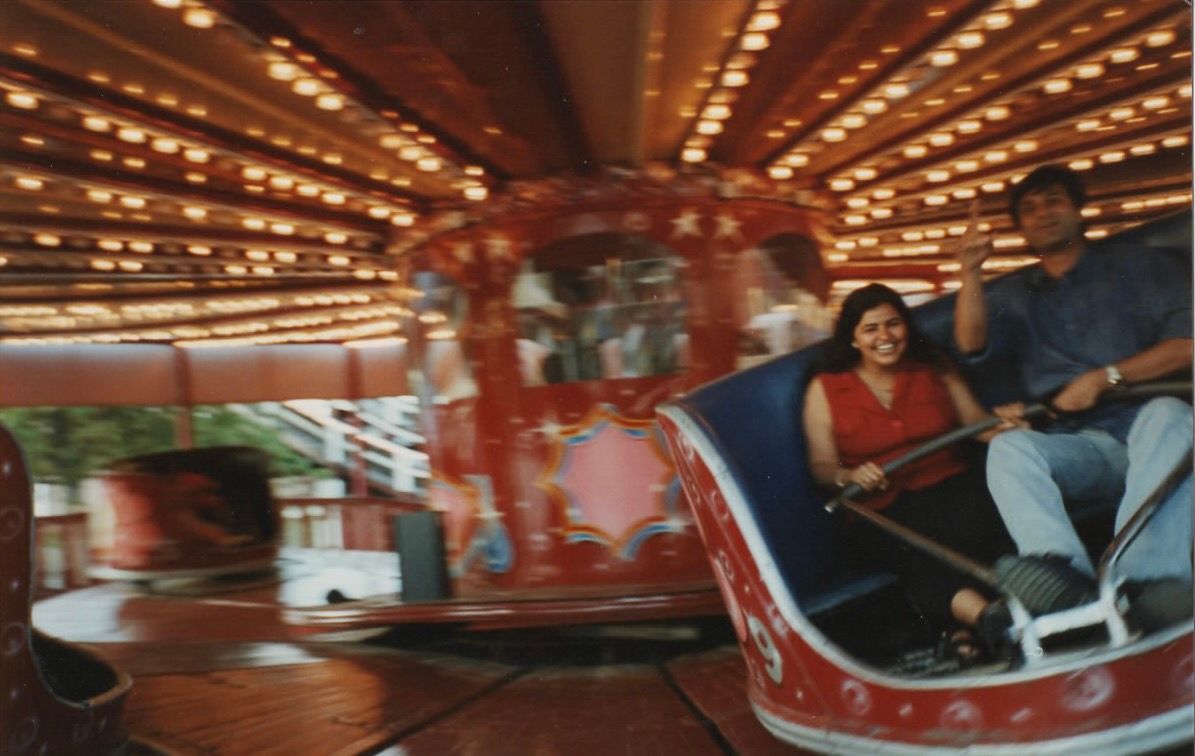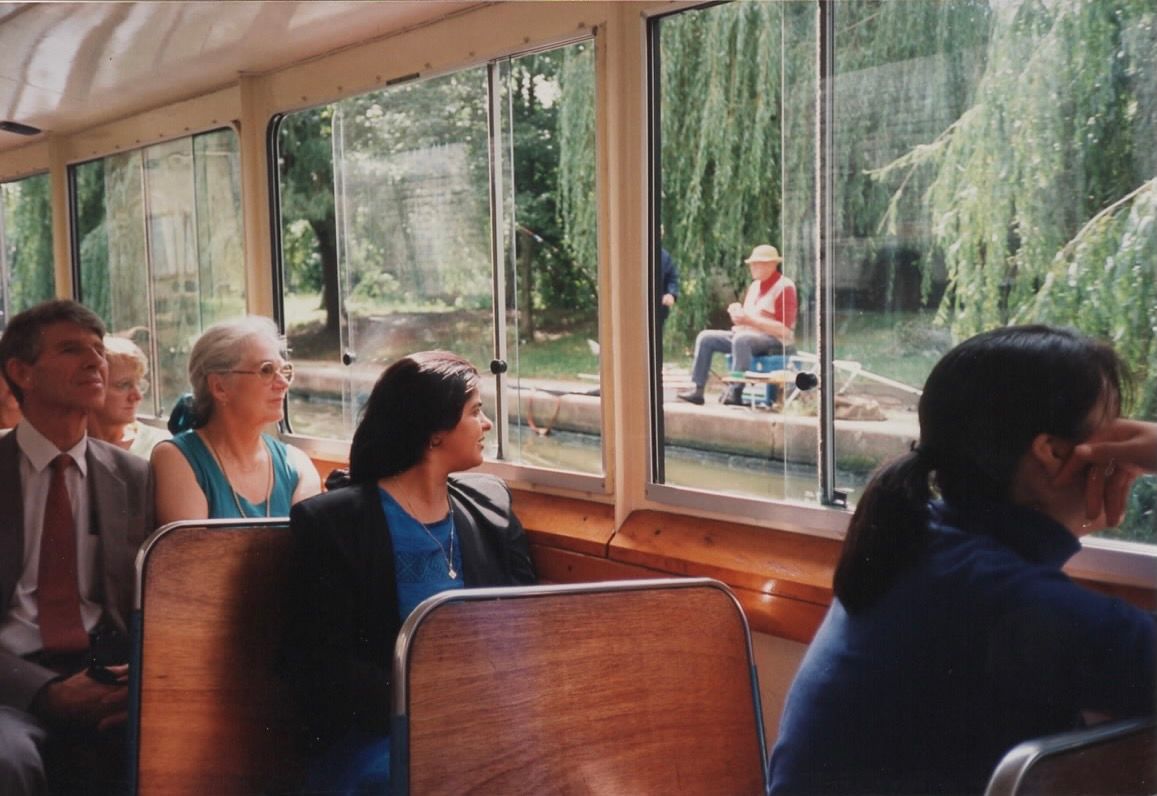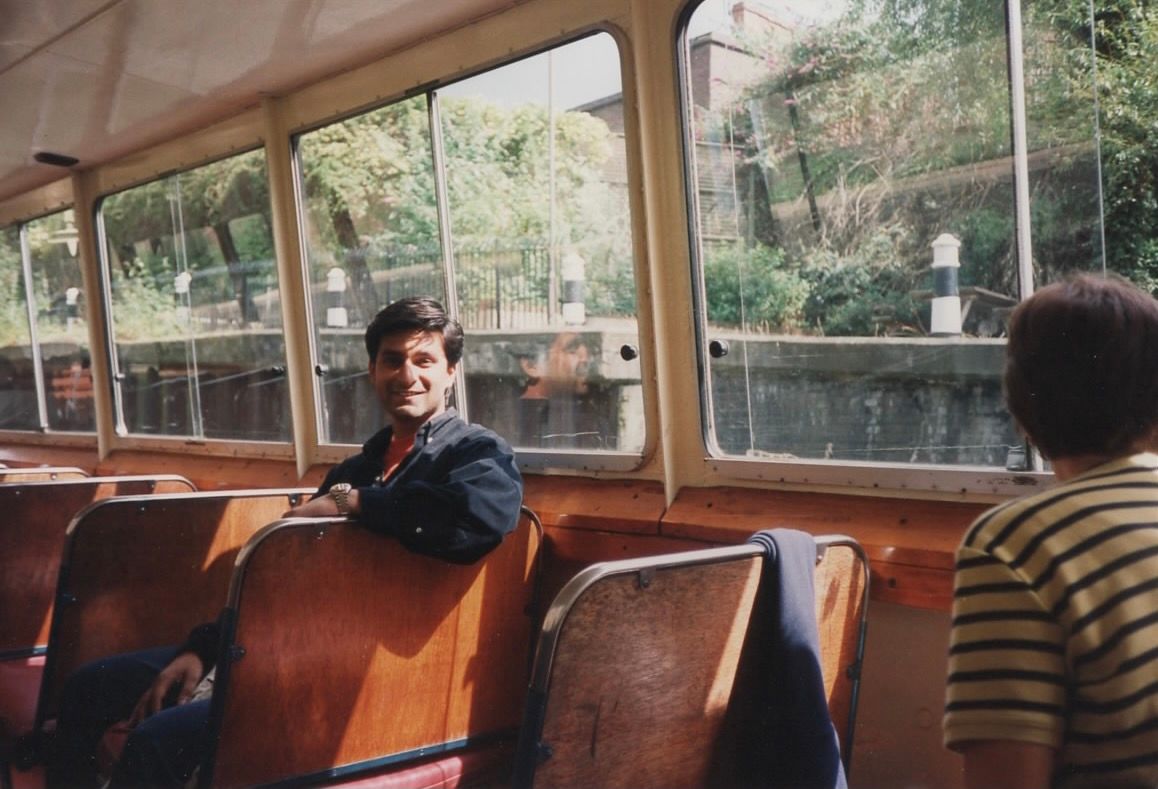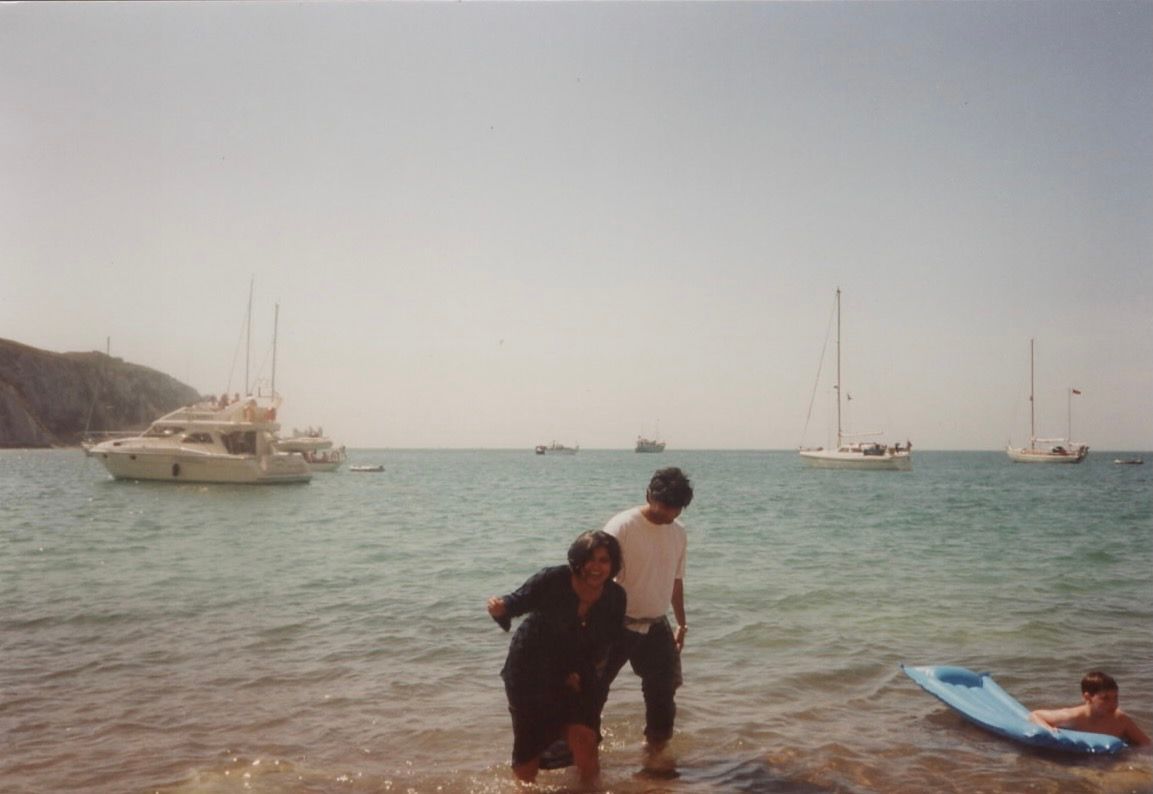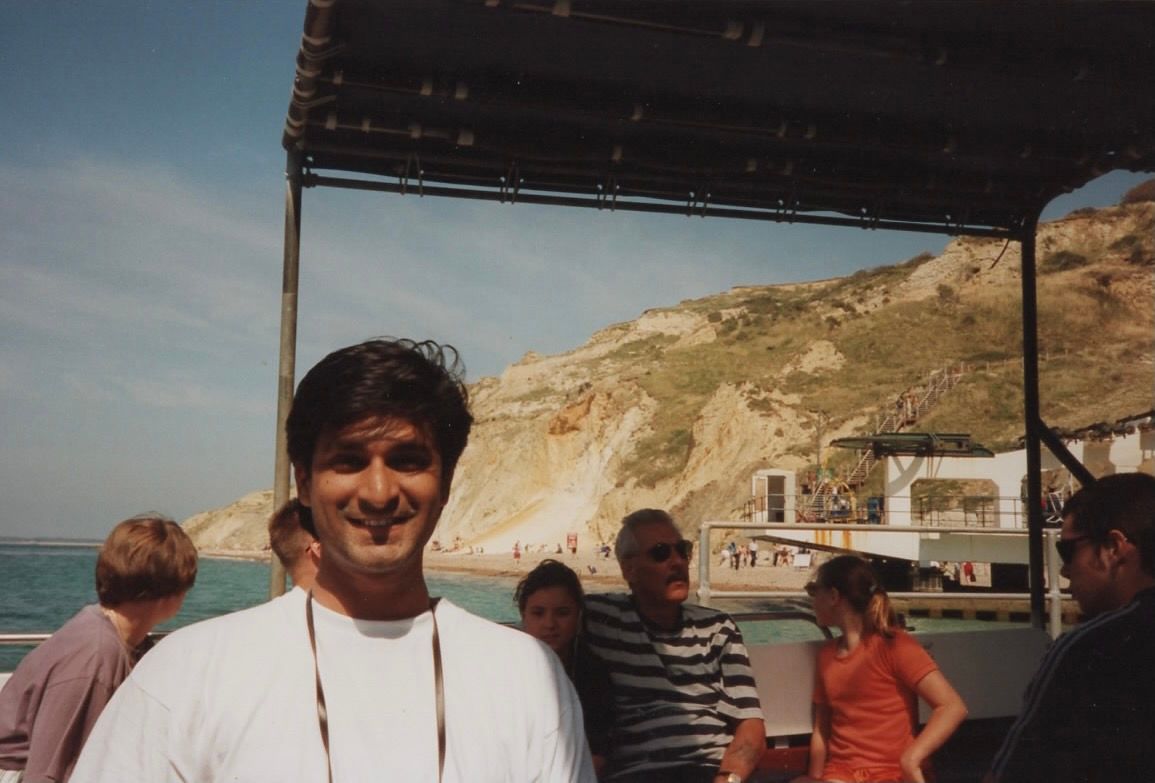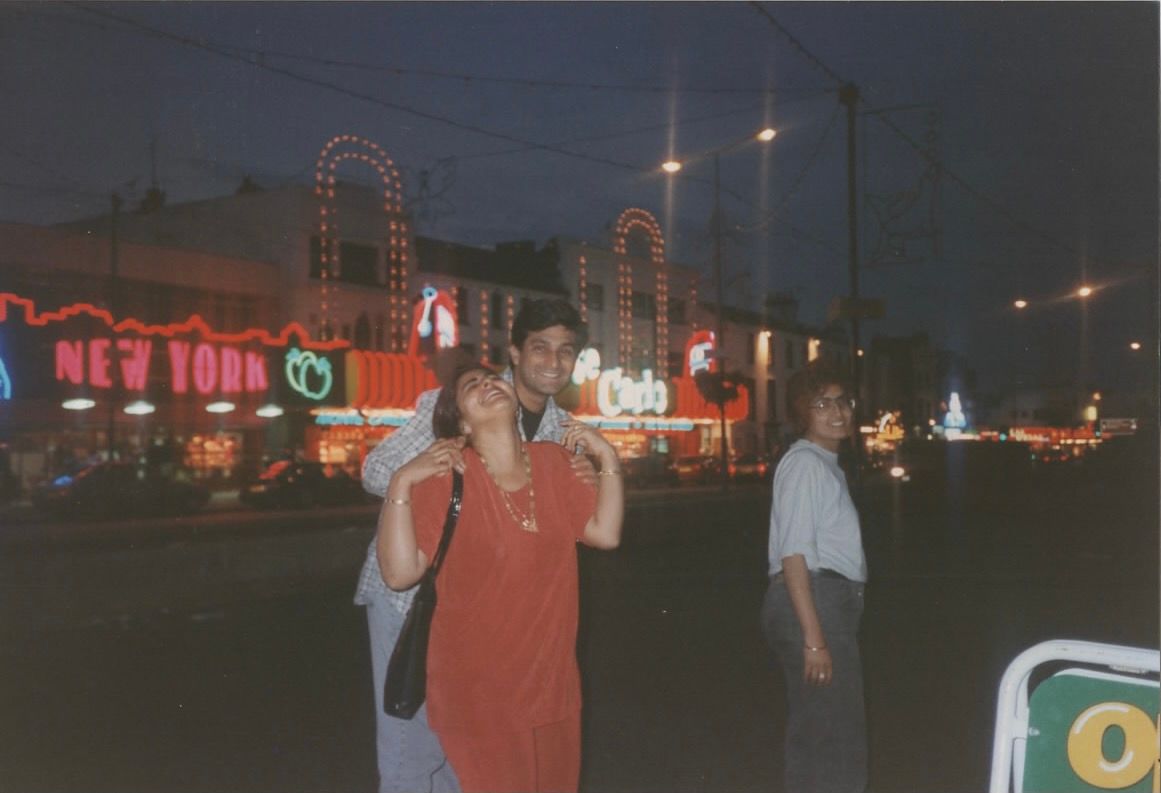
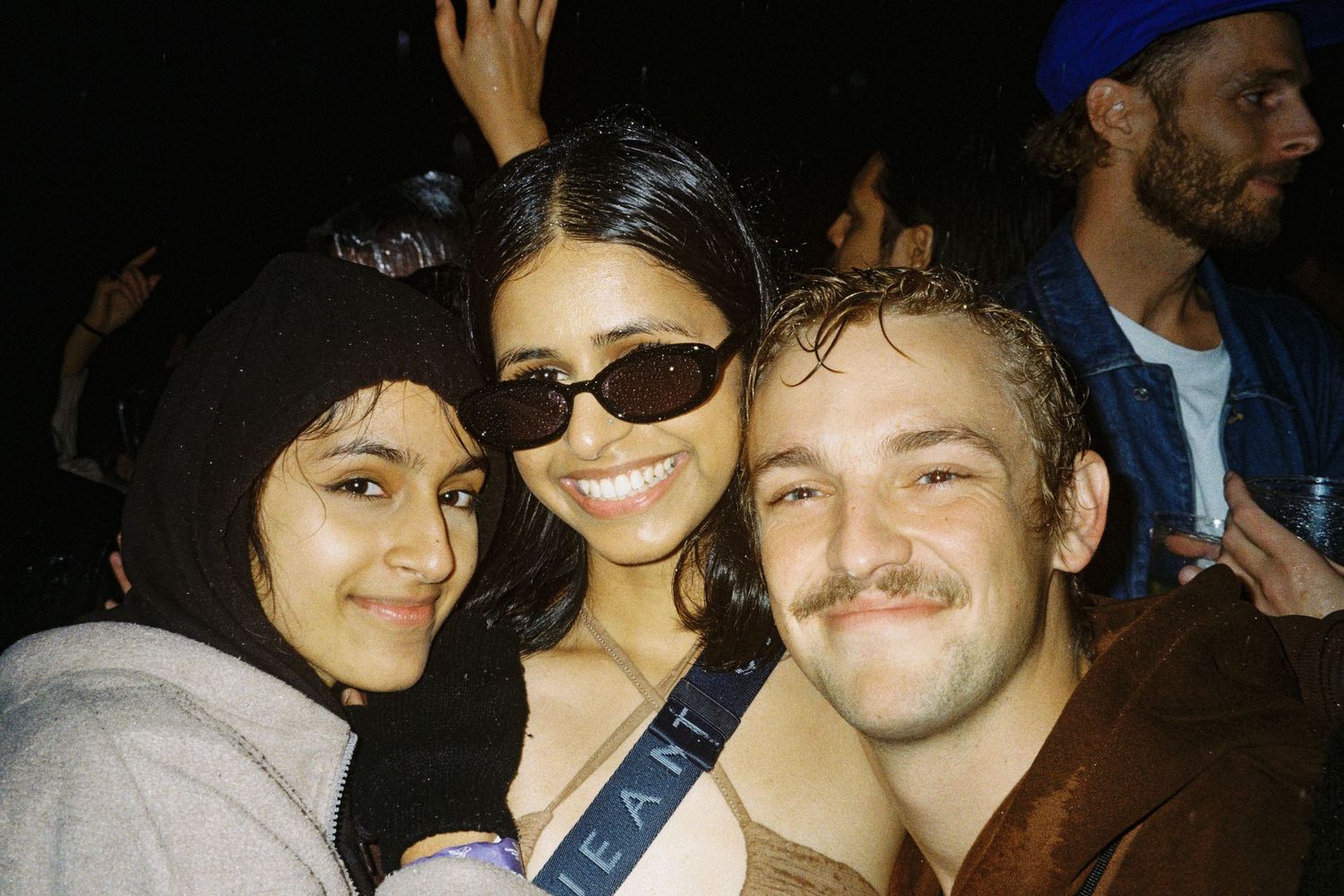
Back in August of 2021, I pulled out some of my parents’ old photo albums from their honeymoon, and I wasn’t expecting to feel much beyond casual nostalgia - but those pages did something to me. They made me think about a lot of things. Mostly, about the fact that those photographs came from a time well before social media existed.
It's difficult, but not impossible, for some of us to think back to a time when people couldn't share their photos online. Back then, film gave us limits. And in those limits lived intention. We had only so many frames in a roll to remember the things that mattered.
Our parents sat down and meticulously curated albums, pressing each memory gently under cellophane pages. These weren’t made for likes or validation. They were made for the joy of remembering - for flipping through on a quiet Sunday, or showing friends and family who came by to visit. There’s something so pure about that.
Now we carry around our lives in our camera rolls, whether we look at them or not. We've become obsessed with the idea of capturing every single moment. It's as if we outsource our memory as soon as we hit click, relieving our brains of the need to form memories properly.
That realisation changed the way I think about photography. And it’s what led me to film.
Shooting on film felt like slowing down. Like learning to look again. You can’t shoot endlessly. You have to feel the moment before you press the shutter. You have to trust that imperfection is okay. That blur and softness and missed focus might hold more truth than a perfectly sharp frame.
Film made me more patient. More present. And more in love with the mood of a photo than its technical correctness. It gave me back a kind of seeing I didn’t realise I’d lost.
During that time, I created a series of physical photo books titled Grainy Gupta, inspired by those old albums. It was a space to collect my favourite images, my forever people, and my forever memories. Because one day, Instagram will disappear, feeds will vanish, and maybe even our devices. But the stories we choose to print, hold, and revisit are the ones that will last.